
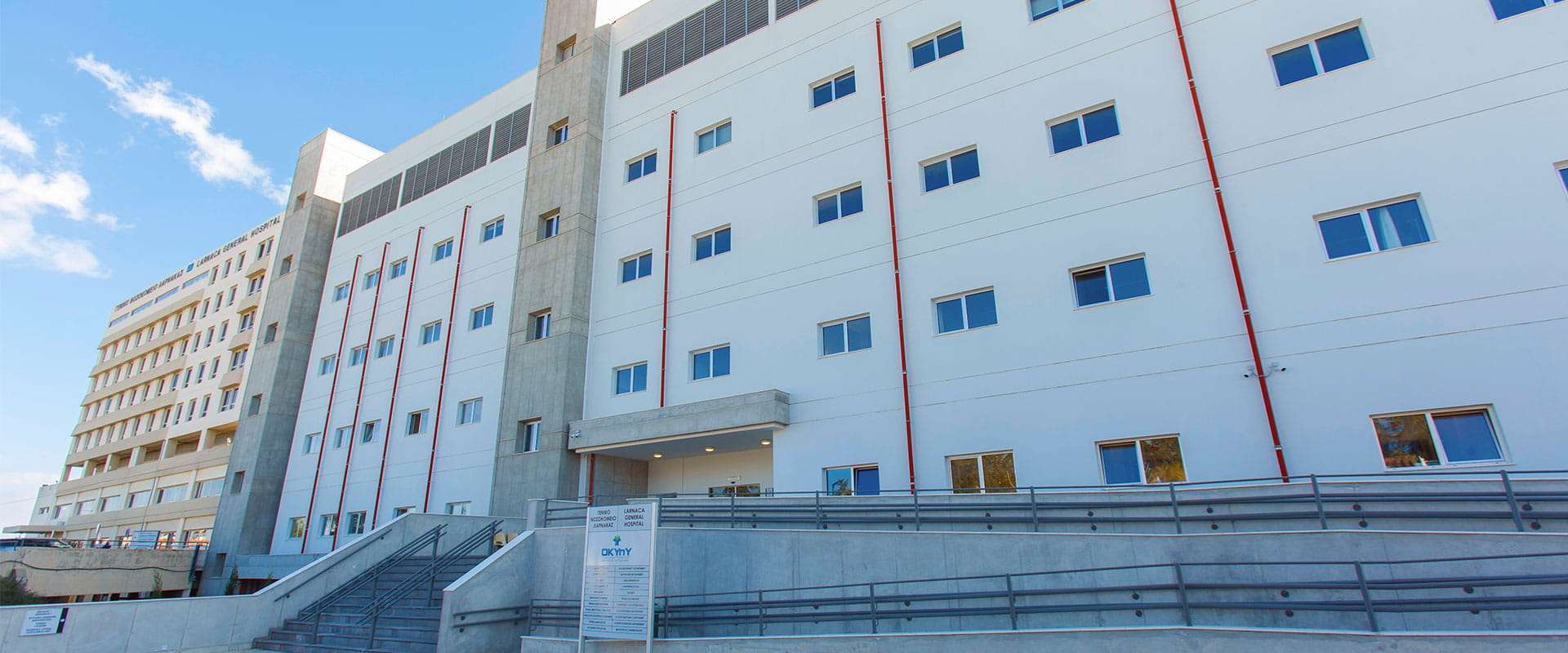




Larnaca General Hospital is one of the main public hospitals and is part of Cyprus’ national healthcare system that provides a wide range of services including emergency care, specialist consultations, imaging, and laboratory testing. Like many busy public hospitals, the experience can vary depending on the department and the time of day, but understanding how things work ahead of time can help you feel more prepared. So if you are planning a visit to Larnaca General Hospital, having a little background information beforehand might make the day feel a bit more manageable. In this guide, we will walk through the key things patients typically want to know before their first visit.
Where Is Larnaca General Hospital Located?
Larnaca General Hospital is located just outside the main city center and is accessible by car, taxi, and public transportation. It serves a large population across the Larnaca region and also receives patients from surrounding towns and villages. The hospital grounds are relatively large and include multiple departments, outpatient clinics, and emergency services. Because of this, first‑time visitors often find it helpful to arrive early so they have time to locate the correct department before their appointment. Parking is available on site, but during busy hours spaces can be limited. Patients who visit frequently often suggest allowing extra time for parking and wait times especially in the morning when many outpatient clinics begin seeing patients.
What Should You Bring to Your Appointment?
One of the most common recommendations from experienced patients is to bring all relevant documents with you so you do not need to make multiple trips or delays at registration. You should bring your identification, your GESY registration information (if enrolled in the national healthcare system), and any referral paperwork from your doctor. If you have recently had blood tests, scans, or other medical results, bring those copies so your doctor can review your medical history more efficiently.
It’s also helpful to bring a list of the medications you are currently taking and any questions you may want to ask the doctor. Writing things down beforehand is always a helpful tip to ensure you don’t forget something important. Some patients also recommend bringing water, a snack, and something to pass the time with especially when waiting areas become busy during peak hours.

What Are Waiting Times Really Like?
Waiting times are one of the topics patients most often discuss when talking about public hospitals. At Larnaca’s General Hospital, a patient’s experience can vary from one person to the next. Some report being seen very close to their scheduled appointment time, particularly in the smaller specialist clinics. Others say they have waited much longer than expected, especially during busy periods or when emergency cases are being prioritized. This is pretty typical in large public healthcare systems where patient demands can be high. Doctors may also spend additional time with patients who require more complex care, thus affecting the overall schedule. The best advice is to approach your visit, if possible, with flexibility and allow for extra time in your schedule. If you plan for the possibility of waiting, it can actually help reduce stress and make the experience feel a little less frustrating.
How Does the Emergency Department Work?
The emergency department at Larnaca General Hospital operates 24 hours a day and handles a wide range of medical situations. Patients are assessed using a triage system, which means the medical staff will evaluate how urgent each case is and prioritize treatment accordingly. If you arrive with a life‑threatening condition, you will typically be seen very quickly; while those whose condition is less urgent, may wait longer.
For non‑emergency situations, many patients find it helpful to consult their GP or specialist first to determine whether an outpatient clinic visit may be more appropriate than visiting the emergency department. Understanding how the triage system works can help set realistic expectations about waiting times and the order in which patients are treated.

What Departments and Services Are Available?
Larnaca General Hospital offers a broad range of medical services including departments such as internal medicine, cardiology, orthopedics, surgery, pediatrics, radiology, and maternity services. The hospital also provides outpatient clinics where patients can see specialists for ongoing conditions or follow‑up care. Diagnostic imaging and laboratory services are also available to support doctors in diagnosing and monitoring a variety of concerns. For a more specialized procedure or highly complex cases, patients may even be referred to a larger hospital in cities such as Nicosia or Limassol where additional resources and specialized departments are available.
What Do Patients Say About Their Experience?
Patient feedback about Larnaca General Hospital tends to highlight both strengths and challenges, which is typical for many public healthcare facilities. Many patients speak very positively about the medical professionals describing the Doctors as dedicated and committed to helping patients receive the care they need. In many cases, patients feel reassured by the expertise of the medical staff.
At the same time, some patients mention issues such as administrative delays, busy waiting areas, or difficulty finding the different departments. These experiences are often related to the high number of patients the hospital serves on a daily basis. So knowing this ahead of time can help patients approach their visit with patience and realistic expectations.
What Are Some Tips to Make Your Visit Easier?
- Arriving earlier than your appointment time is one of the most helpful strategies. This allows time for parking, registration, and locating the correct clinic without feeling rushed.
- Keeping all your paperwork organized in one place can also speed up the process when checking in. If you are unsure where to go, hospital staff are able to provide directions.
- Bring something to keep yourself occupied while waiting, such as a book, headphones, or your phone. Even short waits can feel longer when you have nothing to do.
- If you are not registered in the Gesy system, your visit may cost more than someone who is. Keeping this in mind can help you be more prepared and avoid adding unnecessary frustration and confusion to your visit.
Why Is Preparation Important Before a Hospital Visit?
Preparing for your appointment helps ensure that the time with your doctor is as productive as possible. When you arrive with the right documents, previous test results, and a clear understanding of your symptoms, doctors can make a more informed decision for your care. Diagnostic testing often plays an important role in this process. Blood tests and other laboratory results help doctors detect underlying health issues, monitor chronic conditions, and guide treatment decisions.
At Konomou Labs, we provide patients with reliable diagnostic testing before visiting their doctor or hospital appointment. Completing laboratory tests ahead of time can help you arrive with clearer information not only for you but for the doctors who can then review your results sooner and make more informed medical decisions. Our goal is to make the diagnostic process simple, accurate, and supportive of your overall healthcare journey. So if you have an upcoming medical appointment and want to make sure you have the information your doctor needs, we invite you to learn more about our testing services or contact our team for help.