
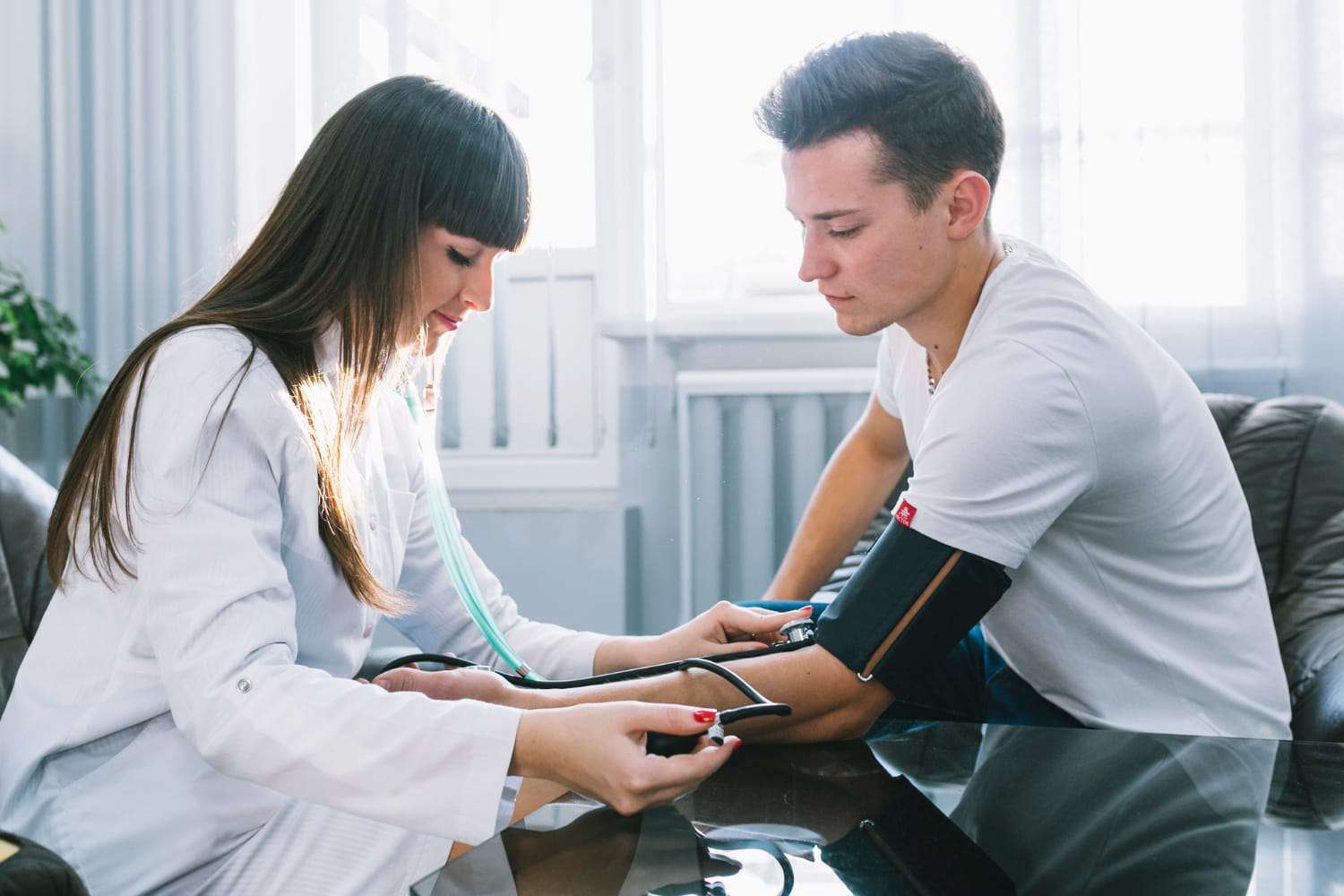



Most people only think about visiting a doctor when something feels wrong. But a preventive health check up is not about waiting until a problem becomes serious, it’s about understanding your body earlier, spotting possible warning signs, and making better decisions before issues become harder to manage.
Preventive health care gives you a clearer picture of your current health. It can help identify changes in blood pressure, cholesterol, blood sugar, vitamin levels, organ function, and other important markers. Sometimes, these changes happen even when you feel completely fine. Many people balance work, family life, travel, diet changes, warm-weather lifestyles, and stress. So considering a preventative health care check up in Cyprus may be a smart long-term health plan.
What Is a Preventive Health Check Up?
A preventive health check up is a routine medical assessment of your overall health, even when you do not have obvious symptoms. It usually includes a consultation with a doctor, basic physical checks, blood tests, urine tests, and sometimes more specific screenings based on your age, lifestyle, family history, and personal risk factors.
This is different from visiting a doctor because you feel sick where a normal appointment often focuses on one problem, such as a cough, stomach pain, or headache. A preventive check up looks at the bigger picture where the doctor might think: How is your body functioning overall? Are there signs of risk? Is there anything that should be checked more closely? He may review your medical history, sleep, stress levels, diet, exercise, smoking or alcohol use, and family history. Then, they can recommend the right tests for your situation. A healthy 28-year-old may not need the same screenings as a 55-year-old with a family history of heart disease or diabetes.
A good check up is not a random list of tests. It should feel personal, useful, and guided by medical advice.
Why Does Preventive Health Matter?
Preventive health matters because many conditions are easier to manage when they are found early. High cholesterol, high blood pressure, diabetes, thyroid issues, liver problems, kidney changes, anemia, vitamin deficiencies, and some cancers may develop with few or no symptoms at first. Early detection gives you more options. In some cases, lifestyle changes may be enough to improve certain markers, while in other cases, your doctor may recommend medication, further testing, or regular monitoring. Either way, knowing earlier can help bring clarity, reassurance, or a clear next step.
How Often Should You Book a Health Check Up?
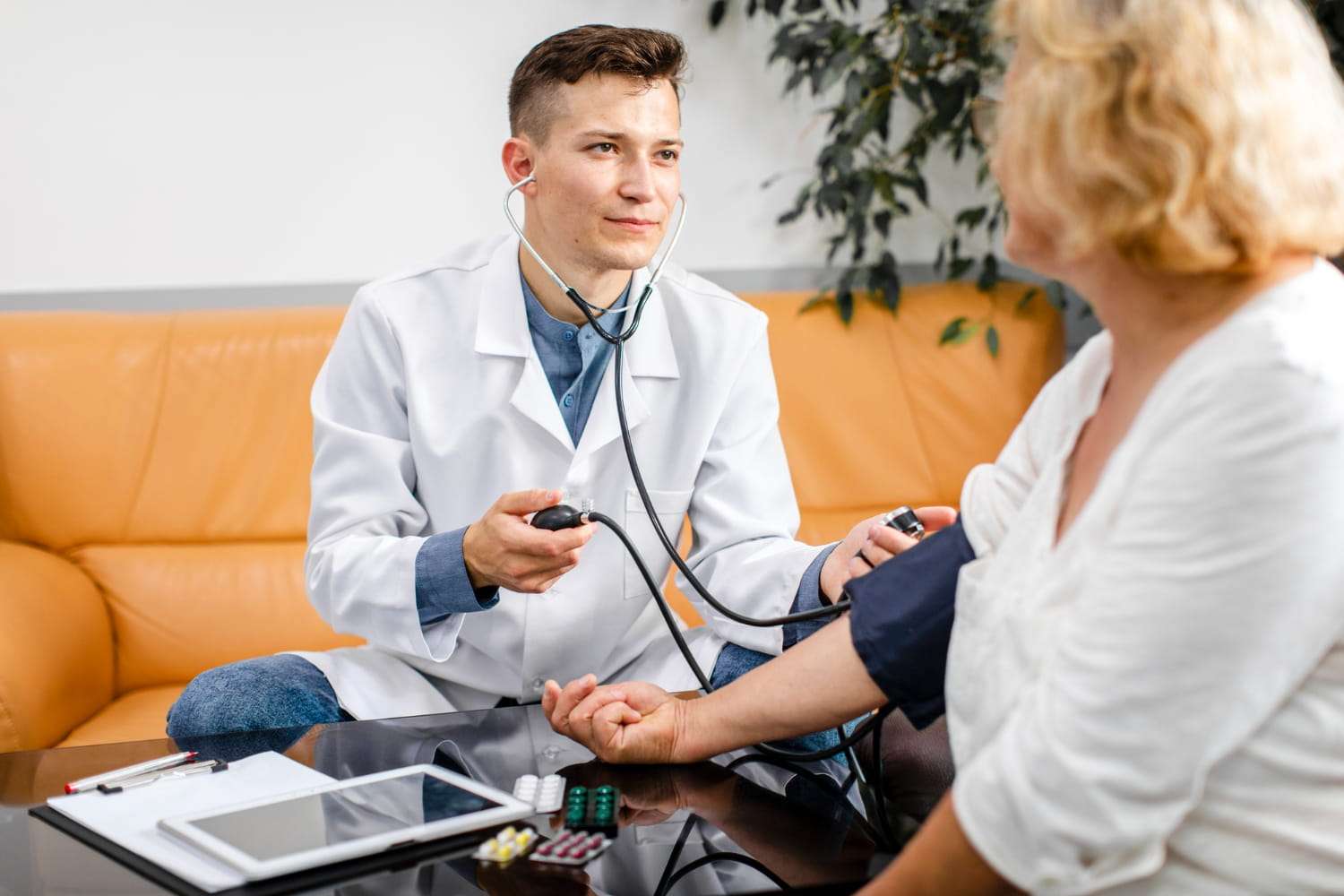
How often you book a preventive health check up in Cyprus depends on your age, health history, lifestyle, and doctor’s advice. For many generally healthy adults, an annual check up is a reasonable starting point because it gives you a yearly snapshot and helps track changes over time. Some who have high blood pressure, diabetes, heart disease risk, thyroid conditions, autoimmune conditions, a strong family history of certain illnesses, or ongoing symptoms that need monitoring, may need check ups more often.
Younger adults may think they do not need regular health checks, but basic blood work, blood pressure checks, and lifestyle reviews can still be valuable. For adults over 40, preventive screening often becomes more important as risks for heart disease, diabetes, certain cancers, and hormonal changes increase with age. The best approach is to use your doctor as your guide. Don’t book tests just because you saw them online. Ask what makes sense for your age, your personal risk, and your family history.
Which Screenings Support Early Detection?
The right screenings depend on the person, but some categories are especially important for early detection. Depending on your age and risk factors, a heart health screening may be needed. This may include blood pressure checks, cholesterol tests, blood sugar tests, and sometimes an electrocardiogram. If you have chest discomfort, shortness of breath, family history of heart disease, or high cholesterol, your doctor may recommend further cardiac assessment.
A diabetes screening is also important, especially for people with a family history of diabetes, excess weight, low activity levels, or previous abnormal blood sugar results. Early blood sugar changes can often be improved with lifestyle adjustments when caught early enough.
Cancer screenings should always be discussed with your doctor, as the right tests depend on your age, gender, family history, and personal risk factors. These may include cervical screening, breast screening, prostate checks, colon cancer screening, skin checks, or other targeted tests when needed. Cyprus has plenty of sun exposure throughout the year, so skin monitoring can be especially relevant for people with many moles, fair skin, or long-term sun exposure.
Women should discuss with their doctor what gynecological screenings are recommended for them. Depending on age and symptoms, pap tests, breast checks, hormone-related assessments, or bone health checks may be needed. Men may need to discuss prostate or cardiovascular risk checks. Of course, both men and women can benefit from eye checks, dental checks, hearing checks, and a vaccination review.

How Can You Prepare for a Preventive Health Check Up?
Preparing for your health check up in Cyprus should not feel complicated. Some blood tests may require fasting, so ask the clinic or lab before your appointment. If fasting is needed, you may be asked not to eat for several hours before the test, though water is usually allowed.
Consider wearing comfortable clothing, especially if you expect a physical examination or blood pressure check. Make a list of medications, supplements, and vitamins you take and include the dosage if possible. Some supplements can affect results or interact with medication, so your doctor should know about them.
You may want to talk about blood pressure, cholesterol, blood sugar, cancer screening, vitamin levels, weight, exercise, nutrition, or family history risks, so don’t be embarrassed to ask questions. Wanting peace of mind is normal and with a good doctor or lab team, they’ll make sure you feel informed and comfortable.
What Happens After You Get Your Results?
Your doctor can explain what each result means, whether anything needs attention, and what the next step should be. Sometimes the next step is simple lifestyle advice, sometimes it is repeating a test after a few months and sometimes it’s further screening or referral to a specialist.
Regardless, the follow-up stage is very important. Don’t collect results and leave them in your inbox without reviewing them. The real value of a preventive health check up is not just doing the tests, but understanding them and then making a practical plan. Even if everything looks good, you now have a baseline for the future. So if something needs attention, you have the chance to act earlier.
Where Should You Begin?
A preventive health check up is one of the simplest ways to take your health seriously without waiting for a problem to appear. It helps you understand your body, track important markers, and make informed decisions with the support of a medical professional.
At Konomou Labs, we believe health information should feel clear, practical, and easy to understand. If you are thinking about booking a preventive health check up in Cyprus, book an appointment at Konomou Labs where we can help you choose the right blood tests and understand your results with clear guidance from our team.